

Spiral Wire Specs: Pitch, Diameter, and Metal vs Plastic Coils
Introduction
Spiral-bound notebooks remain a top choice in both retail and education markets thanks to their flexibility, durability, and affordability. However, not all spiral wires are created equal. For B2B buyers, understanding specifications such as pitch, diameter, and coil material is critical to ensure the final product meets end-user expectations while keeping costs under control.
Pitch: Determining Page Turn Smoothness
Pitch refers to the spacing between the coils. Two of the most common standards include:
-
3:1 pitch – three holes per inch, producing a tighter coil pattern, often used in smaller or premium notebooks.
-
2:1 pitch – two holes per inch, ideal for thicker notebooks with more pages.
A tighter pitch generally improves page-turning smoothness and durability, while a wider pitch allows thicker bindings without compromising usability. For institutional or academic notebooks, suppliers like a Classmate Notebook Supplier often recommend 2:1 pitch to handle higher page counts required in school notebooks.
Diameter: Matching Coil Size to Page Count
The diameter of the spiral wire must align with the notebook’s thickness. A mismatch can lead to poor page-turning or warping.
-
Small diameters (6–10 mm): Suitable for notebooks under 80 pages.
-
Medium diameters (12–20 mm): Ideal for general-purpose 100–160 page notebooks.
-
Large diameters (22 mm and above): Used for 200+ page notebooks, sketchbooks, and planners.
Choosing the right diameter ensures durability and usability, reducing customer complaints and improving reorder rates.
Metal vs Plastic Coils: Material Considerations
Metal coils (usually steel or aluminum):
-
Stronger and more durable.
-
Resistant to deformation under pressure.
-
Provide a professional, premium look.
Plastic coils (PVC or PET):
-
Lightweight and flexible.
-
Available in more color options, ideal for retail and promotional notebooks.
-
More affordable for high-volume orders.
Buyers targeting the student or retail market often prefer plastic for affordability and color variety, while corporate buyers and premium retail brands lean toward metal for strength and aesthetics. A trusted Notebook Supplier can guide buyers in selecting the right material based on end-use and budget.
Quality Control and Testing
To ensure spiral wire notebooks meet international standards, suppliers typically test for:
-
Page-turn endurance (simulating frequent use).
-
Coil deformation resistance under pressure.
-
Binding alignment to avoid page misplacement.
These tests are especially important for export markets where durability expectations are high.
Market Applications
-
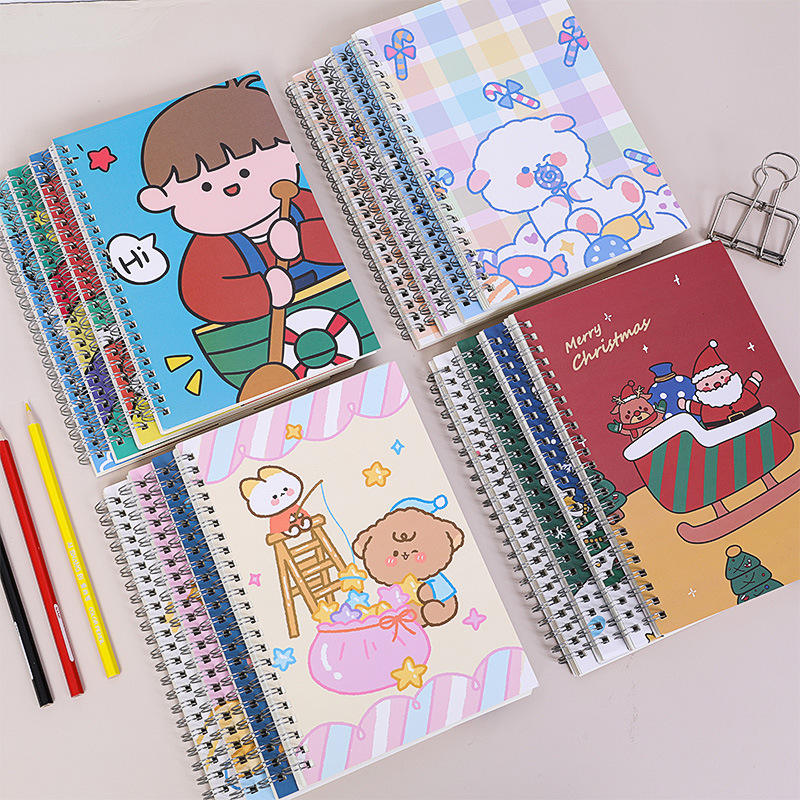
Retail: Spiral notebooks with colorful plastic coils dominate school and office supply aisles.
-
Corporate: Metal-coil notebooks are favored for branded gifts and executive stationery.
-
Education: Classmate-style spiral notebooks with larger diameters are popular in schools and universities.
Conclusion
Spiral wire specifications—pitch, diameter, and material—play a crucial role in notebook performance and market success. Buyers must balance cost, durability, and branding needs to choose the right configuration for their target audience. By partnering with an experienced Classmate Notebook Supplier for academic-focused products and a general Notebook Supplier for broader B2B needs, businesses can ensure consistent quality, reliable supply, and strong sales performance.