

The E-Commerce PDP Playbook for Notebooks: Specs, Lifestyle Imagery, and Conversion UX
Introduction
In e-commerce, the product detail page (PDP) often determines whether a visitor becomes a buyer. For notebooks, which compete in crowded online marketplaces, PDPs must do more than display a cover photo and a price tag. They need to showcase specifications clearly, leverage lifestyle imagery for emotional appeal, and provide a seamless user experience (UX) that drives conversions. For B2B buyers and brands building private label notebooks, optimizing PDPs is essential to secure long-term online success.
Specs: Communicating Technical Details Clearly
Notebook buyers want to know exactly what they’re getting. PDPs should highlight specifications that influence purchasing decisions, such as:
-
Size: A5, B5, or A4 dimensions.
-
Paper GSM: Thickness and compatibility with pens.
-
Binding style: Spiral, stitched, or perfect binding.
-
Page count: Ranges from 80 to 200+ pages.
-
Cover materials: Leather, PU, kraft, or laminated board.
Clear specification tables not only reduce pre-purchase questions but also instill confidence. Partnering with an experienced Notebook Supplier ensures accurate and consistent product data for online listings.
Lifestyle Imagery: Selling the Experience
Consumers are motivated by visuals that show how a notebook fits into their lifestyle. Lifestyle imagery allows potential buyers to imagine themselves using the product—in classrooms, offices, cafés, or creative studios.
Strong PDPs include:
-
In-use photos: Showcasing writing, sketching, or journaling.
-
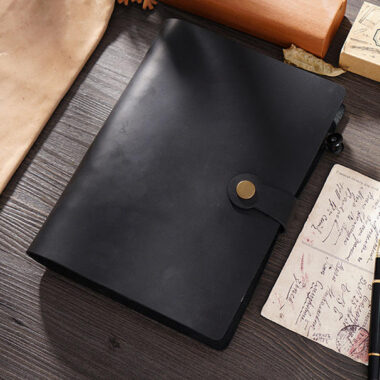
Contextual settings: A notebook on a desk with pens and accessories.
-
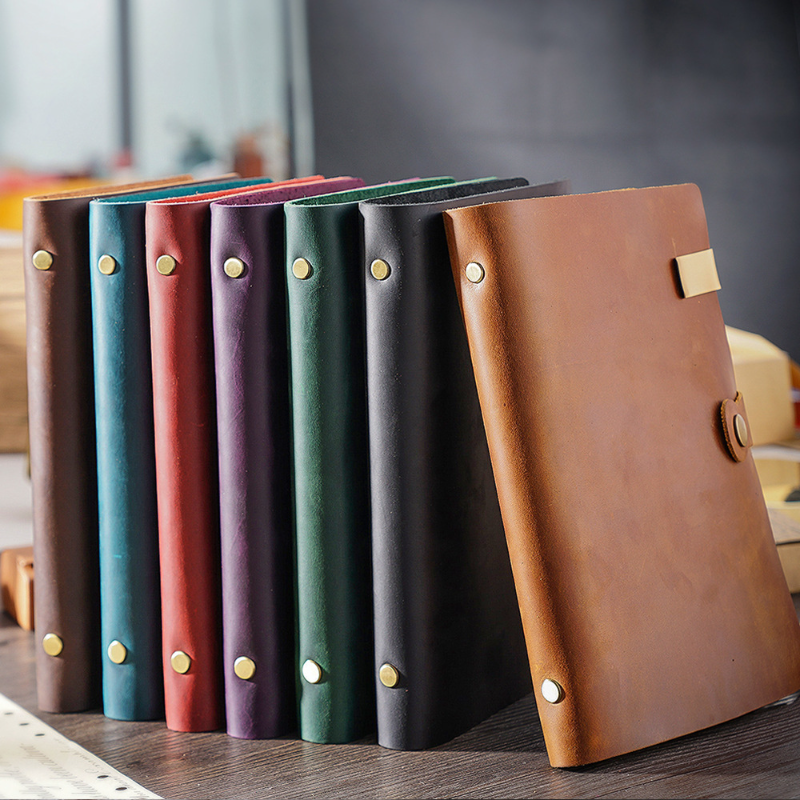
Close-ups: Highlighting texture, stitching, and branding elements.
For customized products, brands can also display mockups with corporate logos or personalized features. A professional Custom Notebook Supplier can provide high-quality images that highlight customization capabilities for B2B clients.
Conversion UX: Streamlining the Buying Journey
A visually appealing PDP is only effective if the UX makes conversion simple. Key UX elements for notebook PDPs include:
-
Clear CTAs: “Add to Cart” or “Request a Quote” buttons above the fold.
-
Variant selectors: Options for size, ruling, and cover material.
-
Trust signals: Certifications (FSC, eco-friendly), reviews, or supplier guarantees.
-
Mobile optimization: Ensuring specifications and images are accessible on smaller screens.
Simplifying these steps reduces friction, boosting conversions in both B2C and B2B channels.
Building Trust Through Content
Beyond visuals and UX, PDPs should also include compelling copy that reinforces quality. Features like “smudge-free paper,” “durable spiral binding,” or “eco-friendly cover boards” assure buyers they are making a sound investment. Adding FAQs also helps answer common buyer questions, such as customization options, lead times, and shipping terms.
Conclusion
An optimized e-commerce PDP is the backbone of notebook sales online. By presenting specifications clearly, using lifestyle imagery to connect with buyers, and designing a seamless UX, brands can significantly increase conversions. Partnering with a reliable Notebook Supplier ensures product accuracy, while working with a Custom Notebook Supplier provides the flexibility to showcase tailored branding options. Together, these strategies create high-performing product pages that convert browsers into loyal customers.