


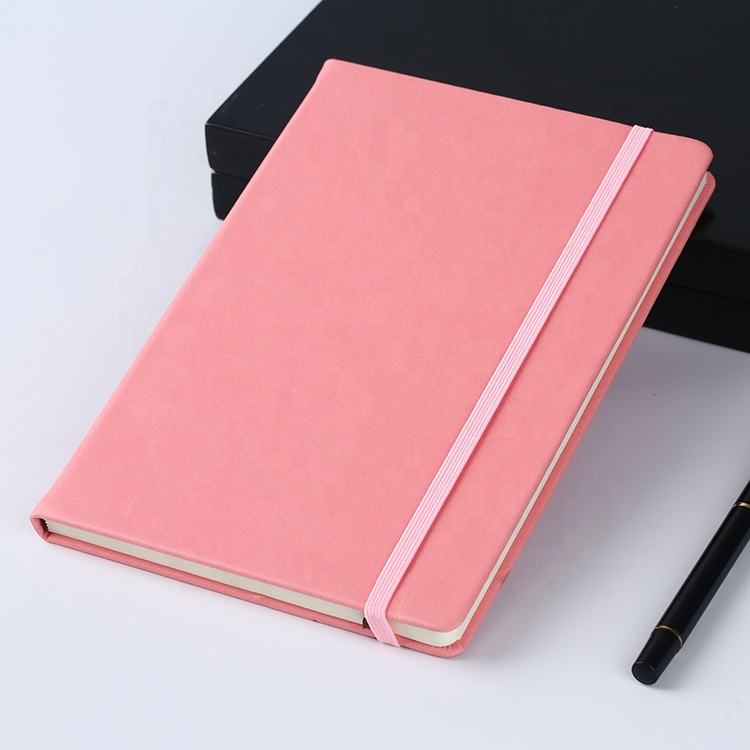
Diary and Journal Inserts: Weekly, Daily, and Goal-Setting Layouts
Introduction
The insert layout is one of the most decisive factors influencing diary and journal usability. While covers and branding attract initial buyers, it is the internal page structure that determines whether customers reorder. For B2B buyers—whether sourcing for retail chains, corporate clients, or institutional use—understanding the differences between weekly, daily, and goal-setting layouts is essential for tailoring products to diverse end-user needs.
Weekly Layouts: Balanced and Versatile
Weekly inserts are among the most popular in retail and corporate markets. They provide an overview of seven days across two facing pages, striking the right balance between structure and flexibility.
Advantages:
-
Users can plan appointments and tasks at a glance.
-
Space allocation suits professionals, students, and personal use.
-
Encourages long-term usage without overwhelming the user.
Retail stationery brands often prefer weekly formats because of their universal appeal. Partnering with a Diary & Journal Supplier ensures a wide range of customizable weekly inserts with options for academic or corporate year structures.
Daily Layouts: Detail-Oriented Planning
Daily inserts dedicate an entire page—or sometimes two—to each day. They are favored by professionals and students who handle numerous tasks, detailed notes, or time-blocked schedules.
Advantages:
-
Ample space for detailed task lists and meeting notes.
-
Perfect for time-sensitive industries or academic planning.
-
Creates a premium product feel with higher page counts.
While production costs are higher due to more pages, daily diaries often justify premium pricing, making them a profitable option for retailers. Working with an experienced Custom Notebook Supplier allows buyers to design daily inserts that align with branding and functional needs.
Goal-Setting Layouts: Motivational and Structured
Goal-setting inserts have gained strong popularity in both retail and corporate channels. These layouts combine calendars, progress trackers, and reflection prompts to guide users toward achieving objectives.
Advantages:
-
Highly engaging, encouraging repeat use.
-
Strong appeal in the wellness, coaching, and corporate training markets.
-
Differentiates brands in crowded retail shelves by offering value-added functionality.
Buyers targeting niche audiences such as productivity enthusiasts, startups, or wellness programs often integrate goal-setting layouts into premium private label products.
Market Applications
-
Retail: Weekly and goal-setting layouts attract both mainstream and niche audiences.
-
Corporate: Daily inserts support professionals in structured environments; goal-setting layouts work well in leadership and HR programs.
-
Education: Weekly and daily formats help students track assignments and exams efficiently.
Cost and ROI Considerations
Layout complexity directly affects printing and page counts. Daily inserts require more pages, raising costs, but also enable premium pricing. Weekly and goal-setting layouts offer strong value at lower or mid-range costs, encouraging reorders and customer loyalty.
Conclusion
Weekly, daily, and goal-setting inserts each serve distinct audiences, but all drive customer satisfaction when properly matched with market demand. Weekly layouts provide balance, daily layouts deliver detail, and goal-setting inserts inspire motivation. By partnering with an experienced Diary & Journal Supplier for structural expertise and a Custom Notebook Supplier for tailored branding, buyers can create diaries and journals that meet end-user needs, improve reorder potential, and strengthen brand value.